FAQ area empty
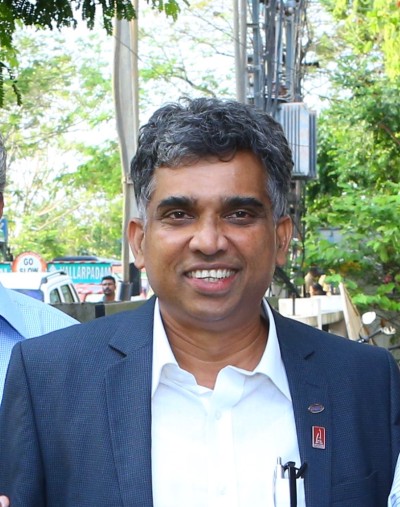
Dept. of Marine Biology. Microbiology and Biochemistry. CUSAT
Dr. Mohamed Hatha took his Masters Degree in Marine Biology from CUSAT and Ph.D. in Environmental Microbiology from Bharathiar University,. Started off his career in Industry as Head of Quality Assurance Division of a leading seafood processor and exporter where he developed HACCP based production in seafood industry for the first time in India. He was instrumental in getting the coveted USFDA A listing for the company. In 1996 Dr. Hatha shifted to teaching and research and taught in various universities in India and abroad since then. Being a passionate academic, he is awarded with Fulbright Scholarship in 2012 and spent a short stint as Fulbright Visiting Scholar at Michigan State university, USA and gave series of lectures at different universities and research institutions in USA, including National Oceanic and Atmospheric Administration(NOAA,), Gulf coast laboratory in Miami, Florida. Dr. Hatha has brought in substantial research grants to the university through extramural fundin

