
Dr. A.A. Mohamed Hatha
 ai, technology, future, scope of ai
 07 Aug, 2026
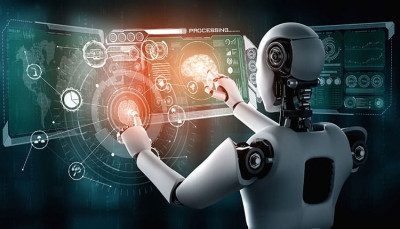
Artificial intelligence stands as the defining cornerstone of modern technological evolution, fundamentally reshaping how humanity interacts with data, automation, and decision-making systems. As machine learning algorithms become increasingly sophisticated, they drive unprecedented efficiencies across healthcare diagnostics, sustainable energy management, and autonomous transportation infrastructure. This rapid integration bridges the gap between theoretical computing and practical human collaboration, fostering a digital ecosystem where predictive analytics and cognitive automation are standard operations. Ultimately, the trajectory of artificial intelligence points toward a synergistic future where technology does not replace human ingenuity, but rather amplifies global problem-solving capabilities to address complex societal challenges.
The horizon of technological progress is increasingly anchored by the rapid maturation of cognitive automation and generative neural networks. By seamlessly processing massive datasets, artificial intelligence is transitioning from a reactive tool into a proactive partner capable of forecasting industry trends and optimizing complex supply chains. This shift enables organizations to automate routine tasks, thereby unlocking human potential for high-level creative and strategic execution. As these systems achieve deeper integration into daily operations, they establish a foundational baseline for a smarter, more interconnected digital infrastructure.
Beyond mere computational power, the future of artificial intelligence relies on the responsible development of ethical frameworks and transparent machine learning models. As algorithmic decision-making expands into sensitive sectors like global finance, legal analysis, and public education, ensuring fairness and data privacy becomes paramount. Current technological trajectories emphasize user-centric designs that mitigate bias and cultivate trust between human users and automated networks. This balanced approach guarantees that technological advancements remain aligned with human values while driving equitable global progress.

